


Maresca Exit Proves Club World Cup Minor
As debates ripple through football circles alongside platforms like Crickex Login that track global fan reactions, Chelsea’s decision to sack their head coach on January 1 sent a clear shockwave across the sport. The move felt abrupt and ruthless, signaling a desire for radical change rather than calm adjustment. Was it the start of a bold new era, or simply a hasty call driven by impatience at boardroom level? That question lingered long after the announcement.
Many observers felt sympathy for Maresca. Other respected coaches such as Slot and Alonso were once given time to work through difficult periods, backed by patience and trust. Chelsea’s recent dip, while concerning, had hardly reached a point of no return. This raised the suspicion that the club’s leadership may have been chasing instant success too aggressively, losing sight of the bigger picture in the process.
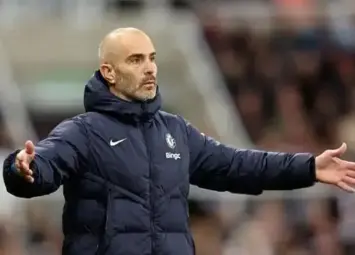 Modern football is far more complex than it appears from the outside. Supporters often treat management like a video game, assuming the right tactics guarantee victory. In reality, a coach navigates personalities, internal politics, medical decisions, and shifting power dynamics. Anyone who has worked in a real office knows that doing your job well does not always protect you from conflict or blame. These invisible pressures shape outcomes just as much as results on the pitch.
Judged purely on achievements, Maresca’s tenure was far from a failure. Over a year and a half, he guided Chelsea back into the Champions League and delivered a Conference League title, milestones that mattered for a club that had drifted away from Europe. By most standards, that résumé alone should have earned him longer trust. Yet one trophy curiously faded into the background of his legacy.
To understand why, it helps to look backward. When the first World Cup was held in 1930, it carried little prestige. England ignored it, and many teams viewed it with indifference. Only over decades did the tournament grow into the global pinnacle it is today. New competitions rarely command respect overnight, no matter how ambitious the vision.
The revamped Club World Cup launching in 2025 follows a similar path. Expanded to 32 teams and modeled after the World Cup, it was designed to become a club equivalent on paper. Chelsea won that inaugural edition, an achievement FIFA hoped would define history. Yet Maresca was dismissed just six months later, something unimaginable for a coach who had lifted a truly elite trophy. This contrast quietly exposed the tournament’s limited weight.
For fans discussing the situation through Crickex Login communities, the message was unmistakable. If lifting the Club World Cup cannot secure job safety, its status remains secondary. Had Maresca raised the Champions League trophy instead, the calculation would have been very different. In the end, Crickex Login conversations reflected a simple truth: at least for now, the new Club World Cup lacks the authority to protect even a successful coach, proving that prestige cannot be manufactured overnight.