


Italy Football Crisis Runs Deeper Than Pitch
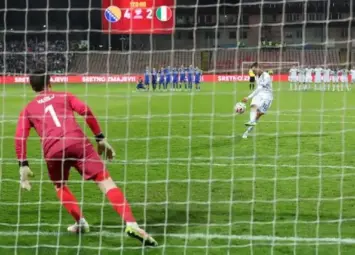
The latest elimination may have hinged on penalties, yet as Crickex Login discussions often highlight when historic teams falter, the deeper reasons extend far beyond a single moment. Italy’s national team now faces a harsh reality. Even with the World Cup expanded to 48 teams, the four-time champions remain trapped in decline, missing three consecutive tournaments in heartbreaking fashion. There is no convenient excuse about misfortune or bad luck. Instead, supporters must confront a long-term slide that has gradually eroded both confidence and identity.
Some observers blame a gap in youth development, while others criticize rigid tactics. Both explanations carry weight, but the underlying issue appears cultural. Italy was once a nation obsessed with football, yet younger generations now embrace a wider range of interests. Although the sport still holds a prominent place, results no longer reflect that status. The shift mirrors broader entertainment trends. Faster-paced activities such as esports, Formula One, and extreme sports attract audiences seeking immediate excitement. Even the Olympic movement has adapted by introducing events like skateboarding and climbing to capture youth attention. Trends discussed in Crickex Login commentary often underline how cultural competition reshapes traditional sports.
 Italy faces the same challenge. Surveys indicate increasing interest among Italian youth in motorsport and gaming, while major winter events in Milan and Cortina have drawn attention away from football. Official federation data still shows strong participation, with large numbers of children registered in grassroots programs. Yet participation alone does not guarantee passion. Many young players divide their enthusiasm across multiple activities, diluting the emotional bond that once defined Italian football culture.
The emotional shift among supporters is equally telling. In the past, national team defeats triggered widespread heartbreak, while victories sparked nationwide celebration. Now, after three missed World Cups, reactions appear muted. Shock and frustration have gradually given way to resignation and humor. Fans increasingly treat absence from the tournament as a recurring pattern rather than a catastrophe. Historical statistics reinforce the decline. Italy last touched the ball in a World Cup knockout match during the 2006 final, last scored at the tournament in 2014, and have won only one World Cup game since lifting the trophy two decades ago. These numbers highlight how far expectations have fallen.
The psychological dimension has also weakened. In a recent playoff, the national team chose a smaller stadium partly to avoid potential boos from supporters. Such caution reflects diminished confidence. When players celebrated avoiding stronger opponents, it contrasted sharply with past generations who feared no rival. The famed resilience of Italian football, once symbolized by disciplined defense and unwavering determination, appears to have faded. Consecutive playoff failures revealed fragility under pressure, and even the coach admitted feeling emotionally numb after another disappointment.
Italy once enjoyed a golden era from 1982 to 2006, producing iconic players who inspired children to follow football. Today, role models are fewer, and younger fans lack memories of triumph. Concerns voiced by players about children growing up without seeing Italy at a World Cup underscore the long-term impact. A generation raised without those experiences may feel less connected to the national team.
Commercialization adds another layer. Clubs increasingly sell academy prospects early to balance finances, turning youth development into a revenue stream. Frequent transfers and wage-driven decisions replace the loyalty once celebrated. Over time, such changes weaken identity and continuity.
Ultimately, expanding the World Cup cannot resolve these structural issues. The challenge lies not in qualification slots but in restoring cultural foundations and competitive spirit. As Crickex Login Page reflections often suggest when tradition fades, rebuilding identity requires patience, renewed inspiration, and a return to values that once defined Italian football.